
Microbiology and Microscopy Learning
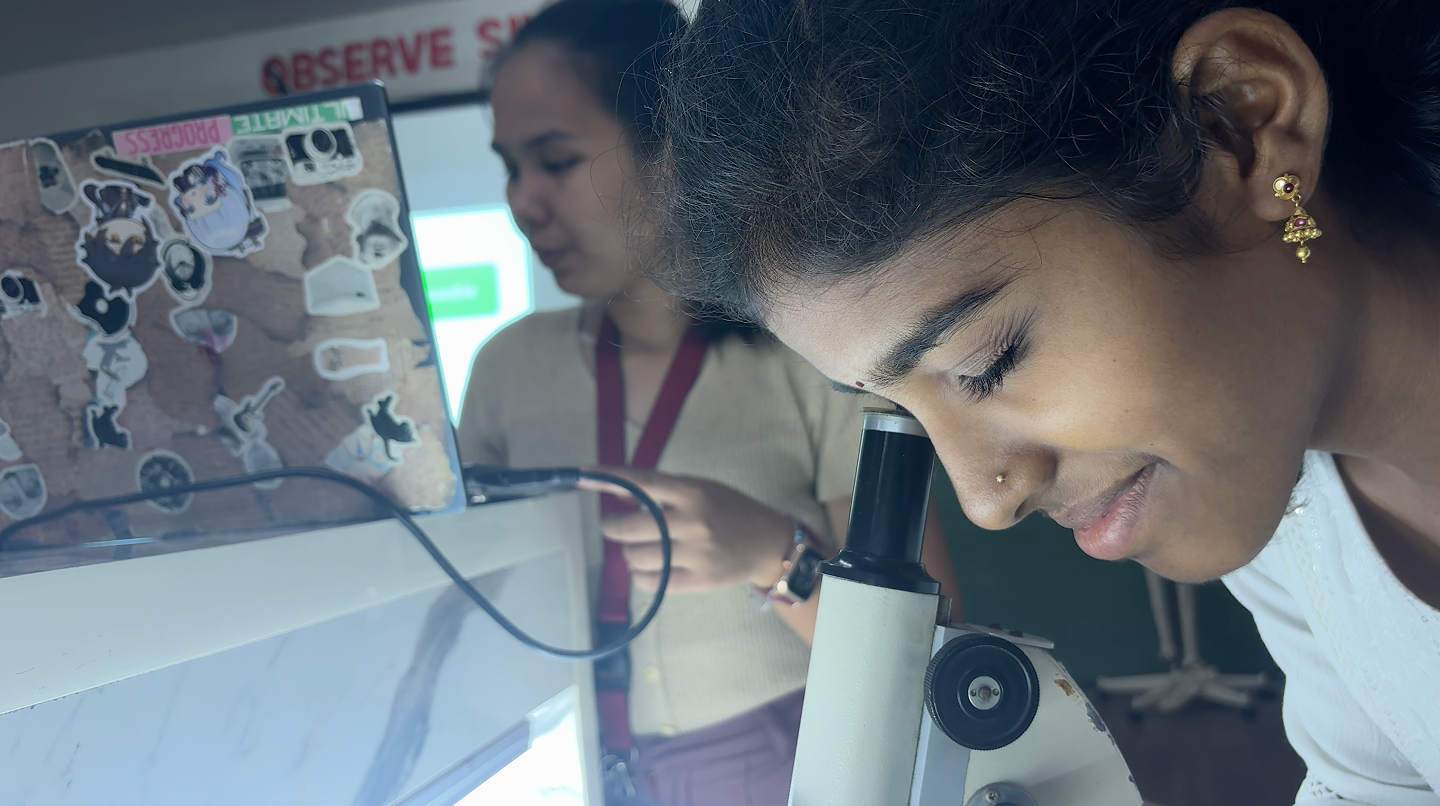
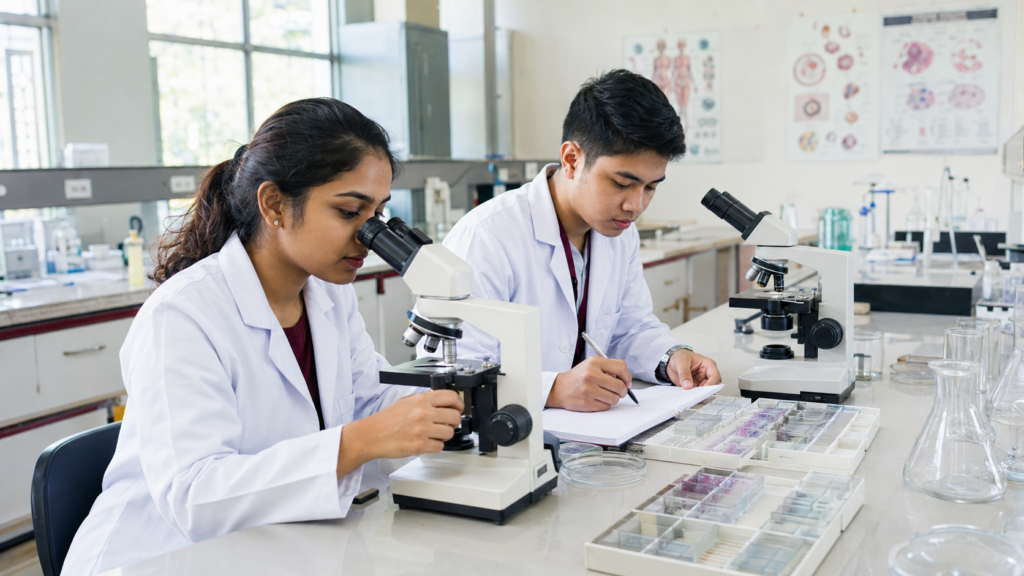
Microbiology laboratory training introduces students to the scientific principles used to study bacteria, viruses, fungi and other microorganisms associated with human health and disease.
Through supervised microscopy, prepared slides and guided observation, students develop an understanding of microbial identification, infection prevention, specimen handling and diagnostic reasoning. These practical sessions help connect laboratory findings with the diagnosis and management of infectious diseases.
Inside LNU’s Medical Laboratories: Practical Learning in Action
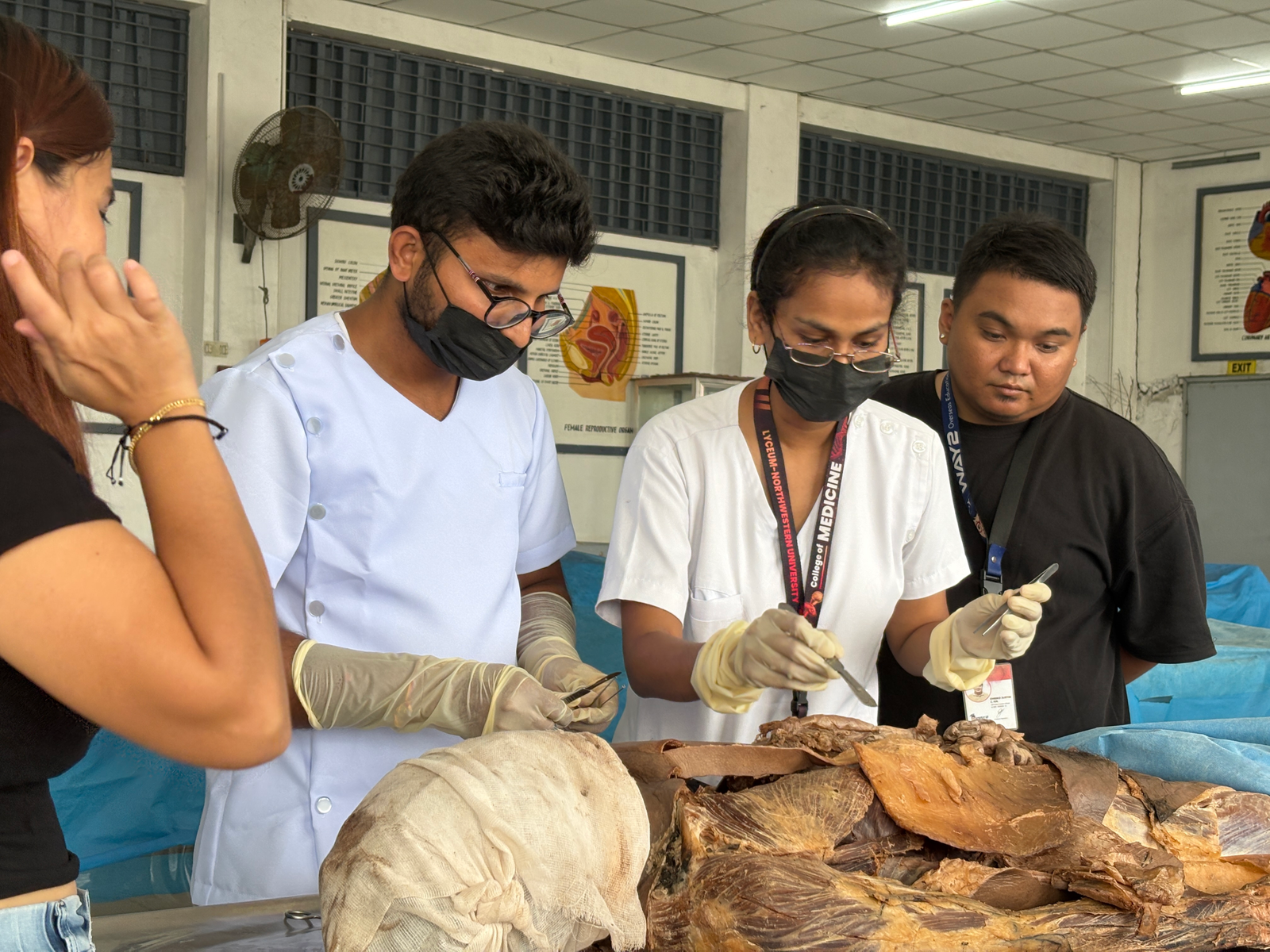
Medical education becomes meaningful when classroom knowledge is observed, tested and applied. At Lyceum Northwestern University in Dagupan City, laboratory-based learning helps students build a practical understanding of human anatomy, body functions, microorganisms and disease processes.
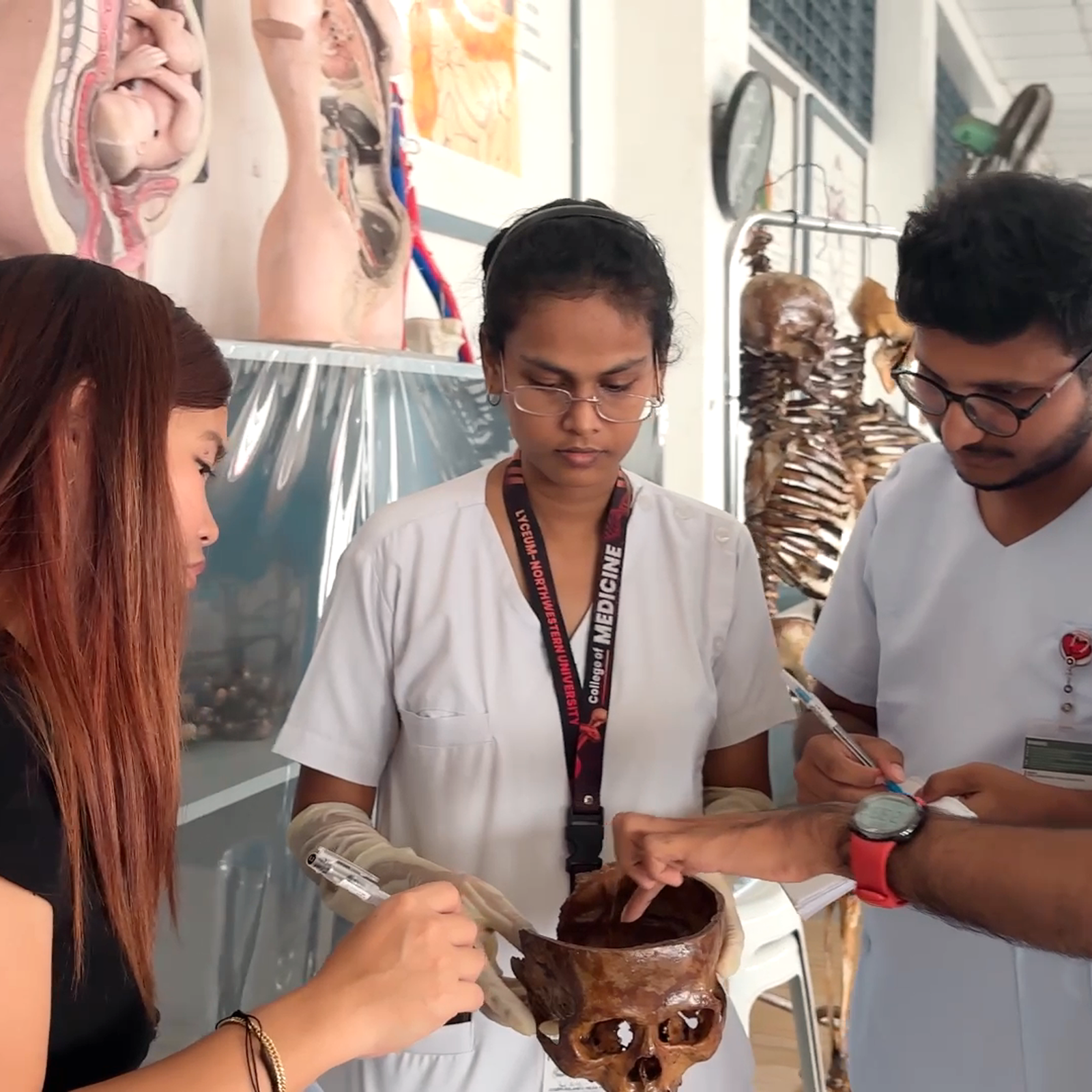
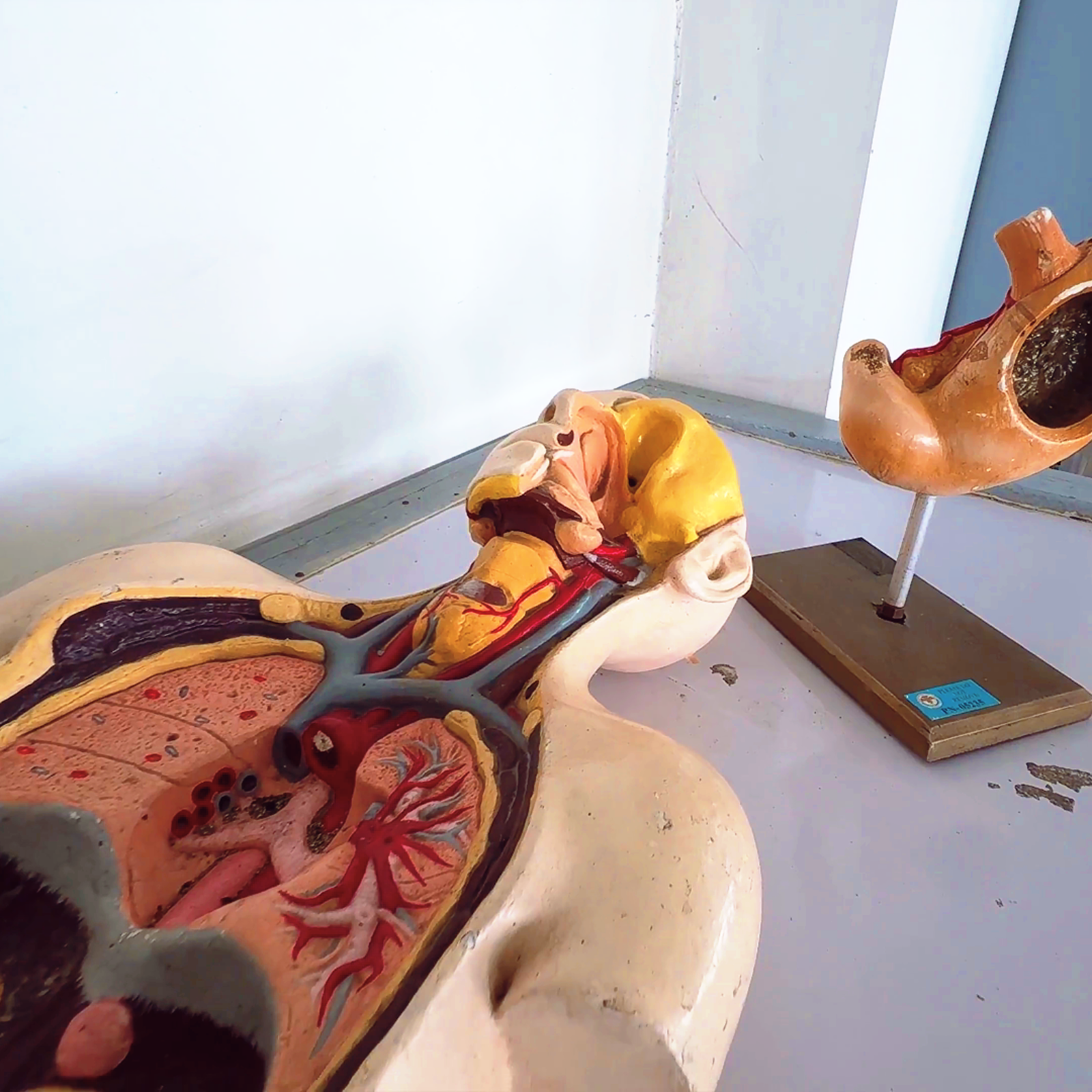
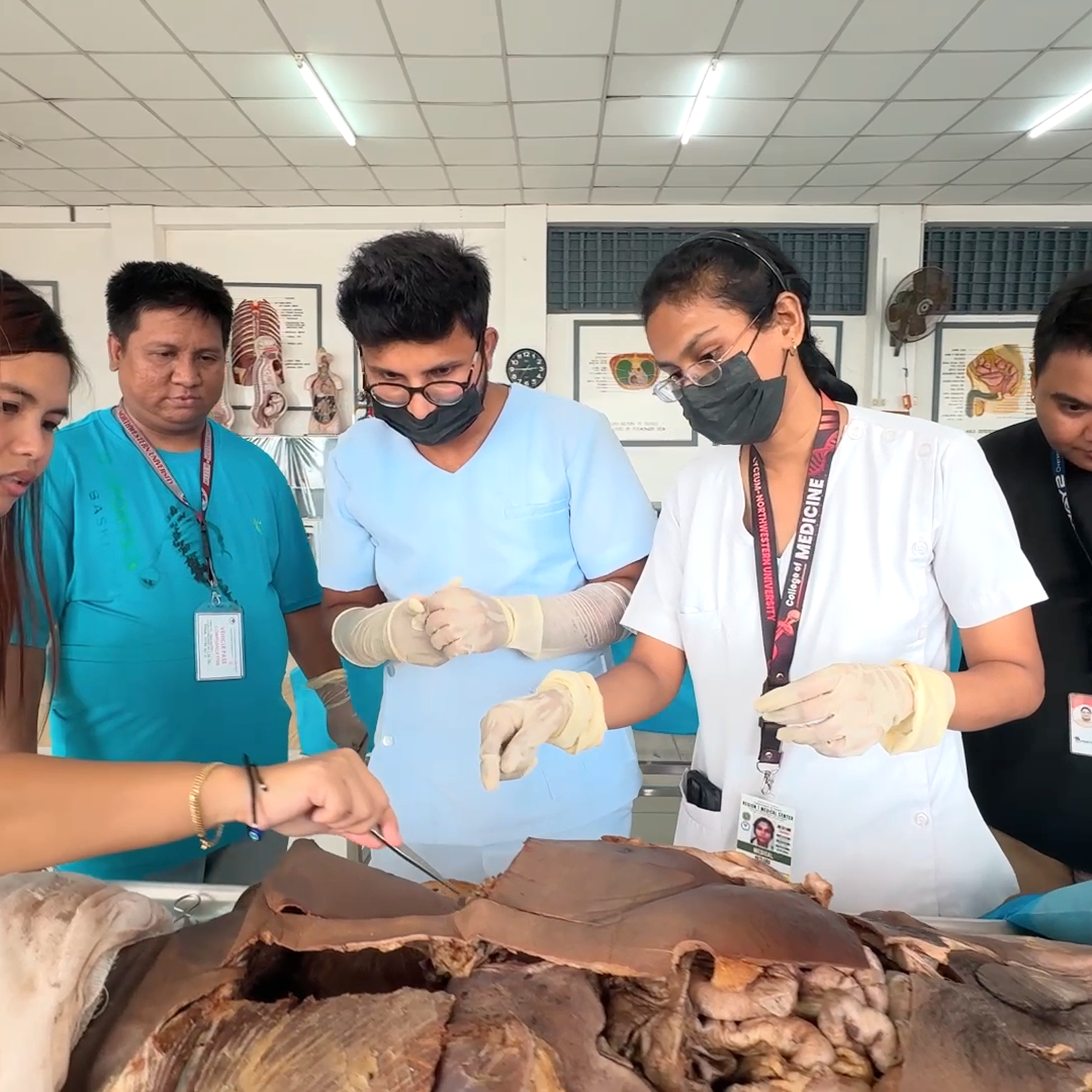
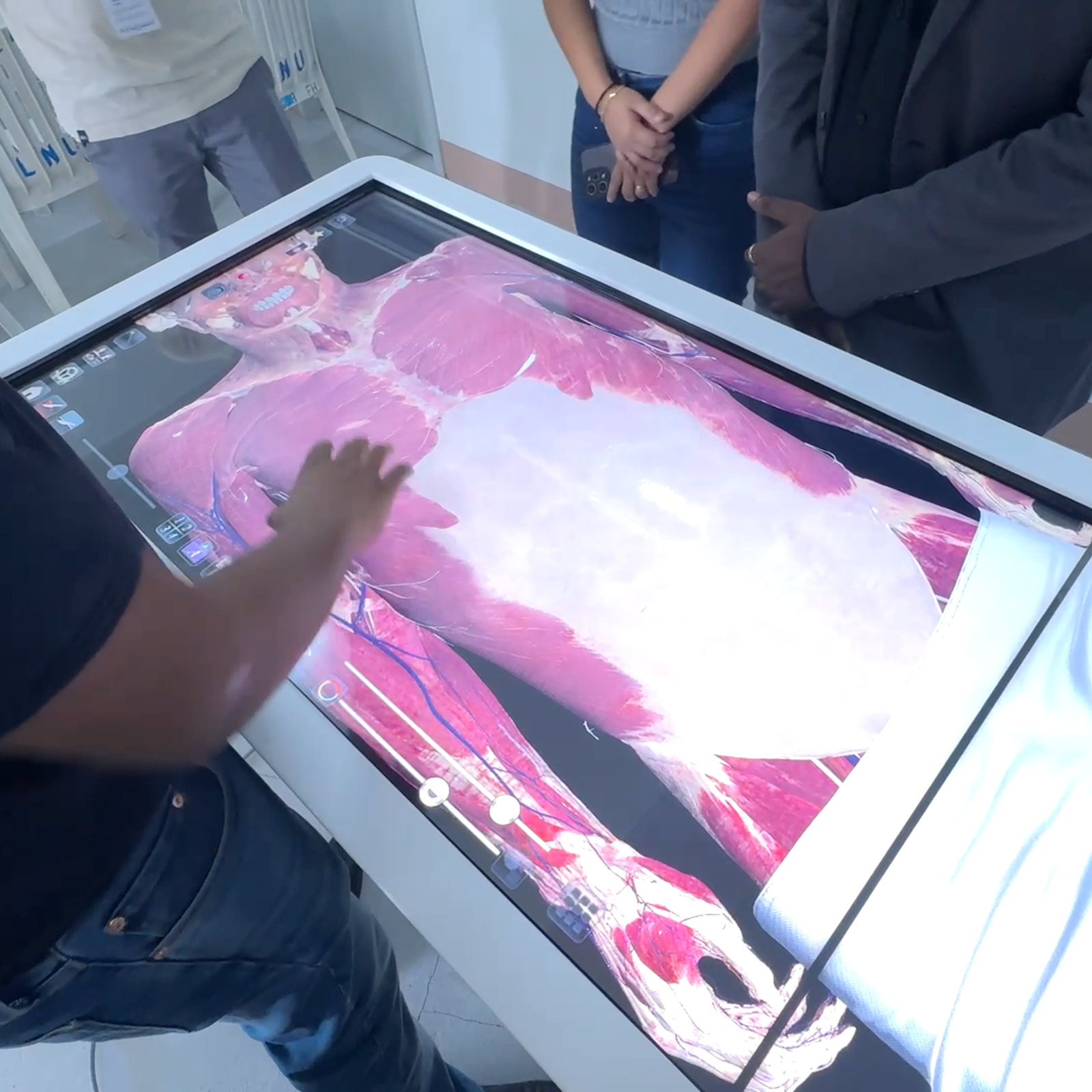
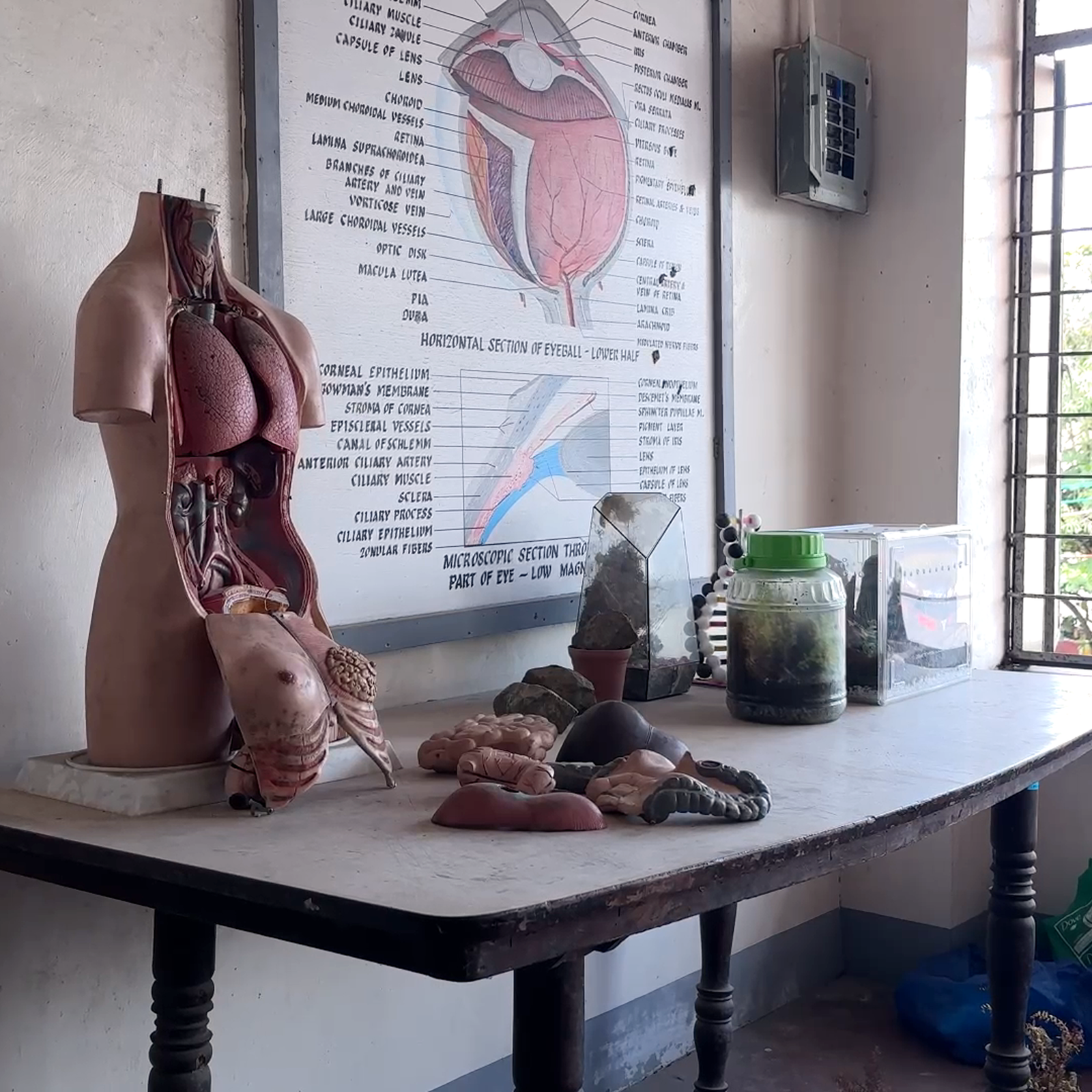
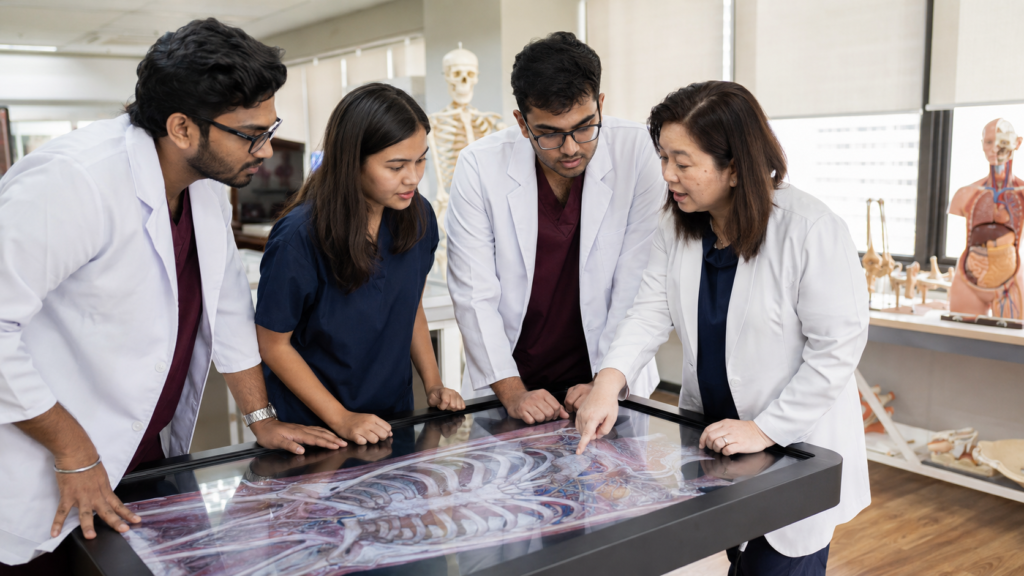
Students participate in guided practical sessions using anatomical learning resources, specimens, microscopes, prepared slides and visual teaching materials. These activities help learners connect medical science with the clinical reasoning required during the advanced stages of their education.
Through observation, analysis and faculty-guided discussion, students develop scientific thinking, teamwork and responsible laboratory practices—essential foundations for future clinical training.
Medical Laboratory Training at Lyceum Northwestern University
Laboratory Learning Across Medical Sciences
Laboratory education supports students as they progress from foundational medical science to clinical understanding. Each subject develops a different set of observation, interpretation and problem-solving skills.
Physiology Laboratory
Physiology practical sessions help students understand how the human body functions. By observing and recording physiological processes, learners connect concepts such as circulation, respiration and nerve activity with measurable findings.
Biochemistry Laboratory
Biochemistry laboratory learning explores the chemical processes that support human life. Practical activities help students relate enzymes, biological molecules and metabolic pathways to nutrition, health, disease and diagnostic investigation.
Pathology and Haematology Learning
Pathology and haematology practical sessions help students distinguish normal findings from changes associated with disease. Prepared slides, specimens and case-based discussion strengthen pattern recognition and clinical interpretation.
Immunology and Transfusion Medicine
Relevant practical instruction introduces students to immune responses, antigen-antibody reactions, blood compatibility and the scientific principles that support safe transfusion practice.
Laboratory Safety and Professional Responsibility
Safe and responsible behaviour is an essential part of medical laboratory education. Students are expected to follow faculty instructions, use protective equipment when required and handle specimens, instruments and learning materials carefully.
Laboratory practice also develops important professional habits:
- Arriving prepared for every practical session
- Following established laboratory safety procedures
- Recording observations accurately
- Respecting specimens and educational materials
- Working responsibly with classmates
- Seeking faculty guidance when a procedure or finding is unclear
These habits support professional accountability, teamwork and patient safety as students progress toward clinical training.
What laboratories are available for medical students at Lyceum Northwestern University?
Laboratory learning covers key medical-science areas including anatomy, physiology, biochemistry, microbiology, pathology, haematology, immunology and transfusion medicine. Students should confirm the current facilities and subject-specific practical schedules for their academic year.
Does Lyceum Northwestern University provide practical anatomy training?
Lyceum Northwestern University provides supervised practical anatomy learning designed to help medical students understand human body structures and their relationships. Depending on the academic schedule and available resources, learning may involve anatomical specimens, models, visual teaching aids and faculty-guided activities. Students should confirm the current facilities and practical schedule with the university.
How does laboratory training prepare students for clinical education?
Laboratory training helps students connect medical-science theory with practical observation. Through supervised activities, students practise scientific methods, interpret findings, develop clinical reasoning and learn responsible laboratory behaviour. These skills provide a foundation for advanced medical subjects and future supervised clinical training
What equipment and learning resources are used in Lyceum Northwestern University laboratories?
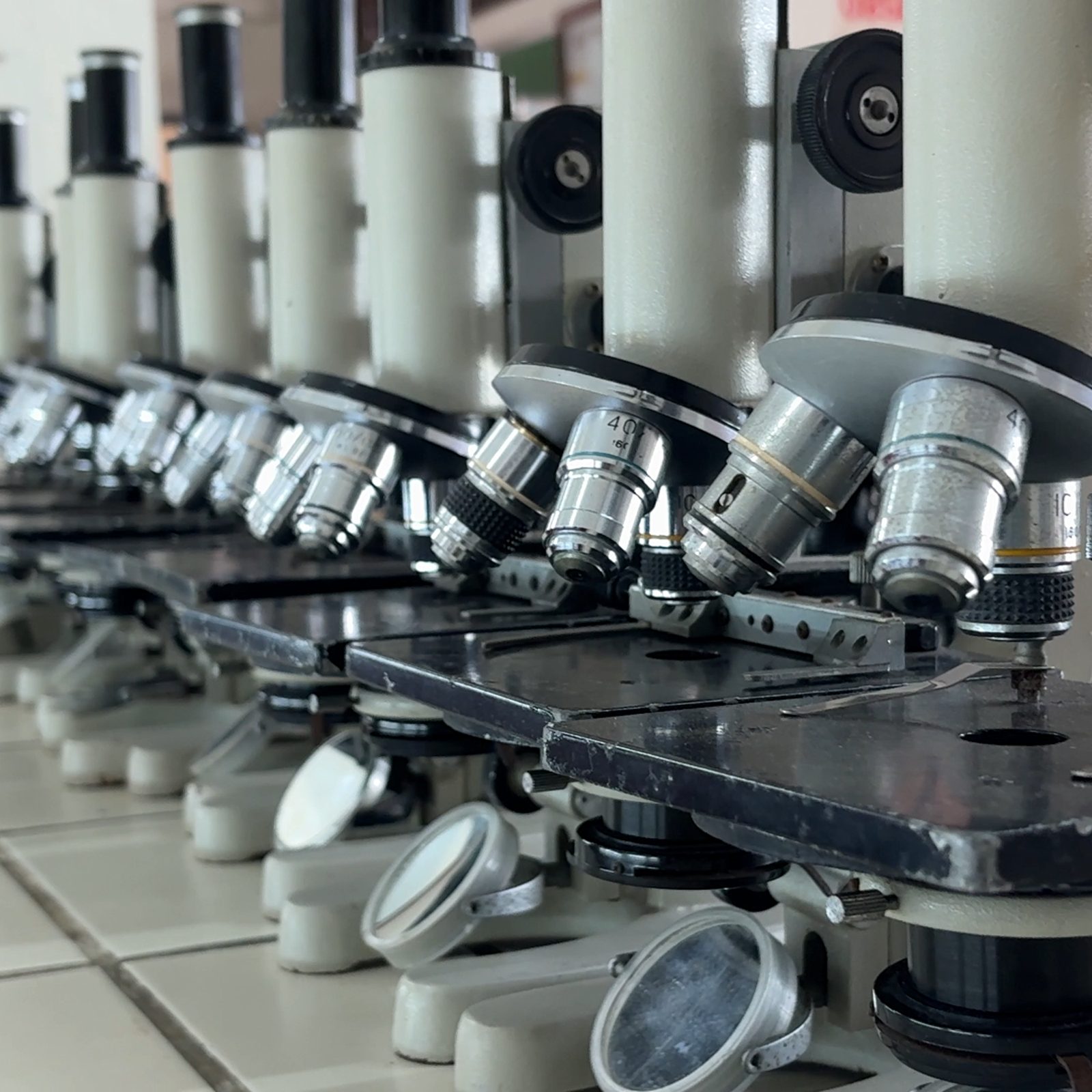
Laboratory learning may use microscopes, prepared slides, anatomical models, specimens, visual teaching materials and other subject-specific equipment. These resources support practical learning in anatomy, physiology, biochemistry, microbiology, pathology and related medical sciences. Available equipment and activities may vary according to the subject and academic schedule.
What safety practices are followed during medical laboratory training?
Students are expected to follow faculty instructions, use required protective equipment and handle specimens, instruments and learning materials responsibly. Laboratory sessions also encourage accurate record-keeping, teamwork, professional behaviour and compliance with established safety procedures.
Are laboratory sessions supervised by faculty members?
Laboratory activities are conducted as faculty-guided learning sessions. Supervision helps students follow procedures correctly, make accurate observations, interpret findings and ask questions while developing responsible practical skills. The format may vary according to the subject and academic schedule.
How does microscopy training support medical education?
Microscopy training helps students examine prepared slides and understand cells, tissues and microorganisms that may not be visible to the unaided eye. It supports learning in subjects such as histology, microbiology, pathology and haematology while strengthening observation and interpretation skills.
Where are Lyceum Northwestern University’s medical laboratories located?
Lyceum Northwestern University is located in Dagupan City, Pangasinan, Philippines. Laboratory learning forms part of the university’s medical-science education. Prospective students should contact the university or its authorised admissions representative for current information about facilities, campus access and practical schedules.
Where is the Lyceum Northwestern University admission guidance office in Chennai?
Students and parents can visit the authorised admission guidance office at Visayas Education Pvt. Ltd., No. 50/A, E2, Shree Towers, 100 Feet Road, Vadapalani, Chennai – 600026, Tamil Nadu, India. The office provides counselling and application assistance for students interested in studying medicine at Lyceum Northwestern University in the Philippines.
What admission services are available at the Chennai office?
The Chennai office assists students with eligibility assessment, course information, application submission, document verification, admission processing, fee guidance, student-visa documentation and pre-departure support. Students should bring their available academic records for an initial assessment.
How can I contact the Lyceum Northwestern University admission office in Chennai?
Students and parents can call +91 70923 36699 to speak with an admission counsellor or arrange an appointment at the Vadapalani office. Booking an appointment before visiting is recommended so the counselling team can review the student’s eligibility and required documents.
What documents should I bring for MBBS admission counselling in Chennai?
Students should bring available copies of their Class 10 and Class 12 mark sheets, NEET scorecard, passport, Aadhaar card and recent passport-size photographs. Additional documents may be requested after the initial eligibility and application review.
Laboratory learning covers key medical-science areas including anatomy, physiology, biochemistry, microbiology, pathology, haematology, immunology and transfusion medicine. Students should confirm the current facilities and subject-specific practical schedules for their academic year.
Lyceum Northwestern University provides supervised practical anatomy learning designed to help medical students understand human body structures and their relationships. Depending on the academic schedule and available resources, learning may involve anatomical specimens, models, visual teaching aids and faculty-guided activities. Students should confirm the current facilities and practical schedule with the university.
Laboratory training helps students connect medical-science theory with practical observation. Through supervised activities, students practise scientific methods, interpret findings, develop clinical reasoning and learn responsible laboratory behaviour. These skills provide a foundation for advanced medical subjects and future supervised clinical training
Laboratory learning may use microscopes, prepared slides, anatomical models, specimens, visual teaching materials and other subject-specific equipment. These resources support practical learning in anatomy, physiology, biochemistry, microbiology, pathology and related medical sciences. Available equipment and activities may vary according to the subject and academic schedule.
Students are expected to follow faculty instructions, use required protective equipment and handle specimens, instruments and learning materials responsibly. Laboratory sessions also encourage accurate record-keeping, teamwork, professional behaviour and compliance with established safety procedures.
Laboratory activities are conducted as faculty-guided learning sessions. Supervision helps students follow procedures correctly, make accurate observations, interpret findings and ask questions while developing responsible practical skills. The format may vary according to the subject and academic schedule.
Microscopy training helps students examine prepared slides and understand cells, tissues and microorganisms that may not be visible to the unaided eye. It supports learning in subjects such as histology, microbiology, pathology and haematology while strengthening observation and interpretation skills.
Lyceum Northwestern University is located in Dagupan City, Pangasinan, Philippines. Laboratory learning forms part of the university’s medical-science education. Prospective students should contact the university or its authorised admissions representative for current information about facilities, campus access and practical schedules.
Students and parents can visit the authorised admission guidance office at Visayas Education Pvt. Ltd., No. 50/A, E2, Shree Towers, 100 Feet Road, Vadapalani, Chennai – 600026, Tamil Nadu, India. The office provides counselling and application assistance for students interested in studying medicine at Lyceum Northwestern University in the Philippines.
The Chennai office assists students with eligibility assessment, course information, application submission, document verification, admission processing, fee guidance, student-visa documentation and pre-departure support. Students should bring their available academic records for an initial assessment.
Students and parents can call +91 70923 36699 to speak with an admission counsellor or arrange an appointment at the Vadapalani office. Booking an appointment before visiting is recommended so the counselling team can review the student’s eligibility and required documents.
Students should bring available copies of their Class 10 and Class 12 mark sheets, NEET scorecard, passport, Aadhaar card and recent passport-size photographs. Additional documents may be requested after the initial eligibility and application review.